
Participant Reflections from our Educating for Peace Conference
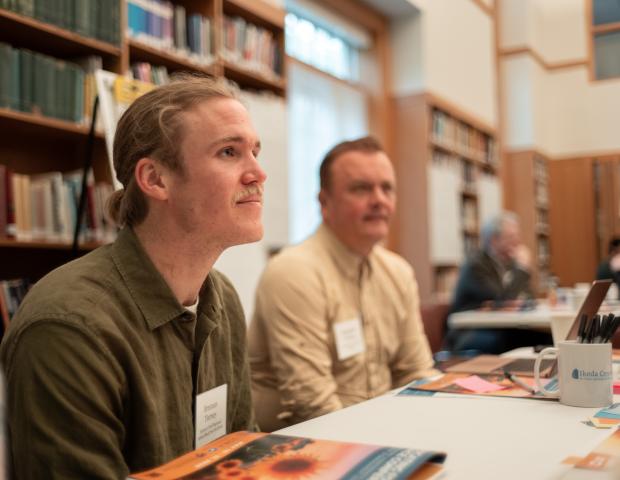
In May 2025, the Ikeda Center, together with the Soka Institute for Global Solutions at Soka University of America, the James Martin Center for Nonproliferation Studies at the Middlebury Institute of International Studies at Monterey, and EdEthics at the Harvard Graduate School of Education hosted the first annual Educating for Peace Conference for middle and high school teachers. Read more about this inaugural event here. We are grateful to the participants from that conference for sharing their reflections with us.
Adam Leff, Gould Academy (2025 Participant)
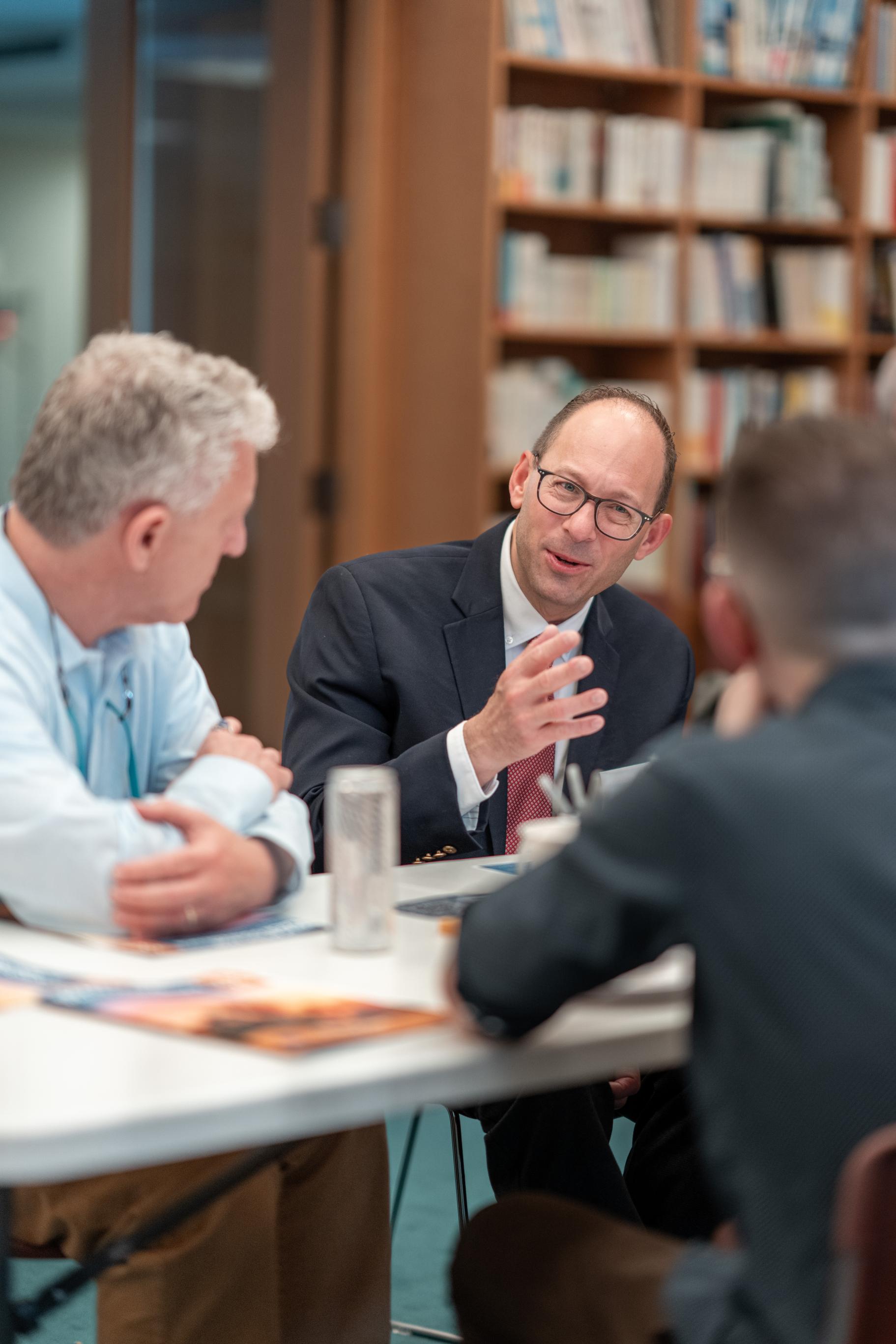
Overall, how would you describe your experience at the 2025 conference?
The 2025 conference was a rare opportunity to step back from the pace of school life and spend time in conversation with scholars, educators, and practitioners who are thinking seriously about nuclear disarmament and peace. I valued being part of a community that approaches this issue not only as a policy challenge, but also as a moral and educational one. What stayed with me most was the emphasis on dialogue and the responsibility educators have to help young people grapple thoughtfully with difficult global questions. As a teacher working with high school students, I left the conference both encouraged and challenged to bring these conversations more intentionally into my classroom and into the broader life of our school.
What insight or idea from the conference has stayed with you the most?
One idea that has stayed with me is the understanding that nuclear disarmament ultimately depends on cultivating a culture of peace among younger generations. Policy and diplomacy clearly matter, but lasting change also grows out of education that helps students develop empathy, historical understanding, and a sense of shared human responsibility.
The conference also reinforced something I see in my own work with students: how powerful local conversations can be. When students, teachers, and community members engage seriously with questions of war, security, and peace, perspectives begin to shift. Those discussions often have a ripple effect, shaping how individuals think and how communities approach these issues more broadly. In that sense, peace education is not only about understanding global challenges, but also about helping young people see that their voices and actions can matter.
What action have you taken since the conference to teach about nuclear disarmament and peace in your classroom and/or school?
Since the conference, I have tried to bring these ideas more intentionally into both our curriculum and the life of our school community. This past International Peace Day, we focused our programming on nuclear disarmament, highlighted by a visit from Dr. Ira Helfand of International Physicians for the Prevention of Nuclear War. His work and his conversations with students provided a powerful and deeply human perspective on the issue, and nearly all of our students had the opportunity to engage with him directly in classes and discussions during his visit.
That visit helped spark additional momentum on campus. This spring, students and faculty are establishing a school chapter of Students for Nuclear Disarmament (SND), creating a space where students can continue learning about and advocating for nuclear disarmament. It has been encouraging to see students take real ownership of these conversations and begin thinking about what responsible global citizenship might look like in practice.
In the classroom, we are also incorporating peacebuilding frameworks more intentionally into our history curriculum so that students examine conflict not only through the lens of power and geopolitics, but also through approaches that emphasize dialogue, reconciliation, and long-term peacebuilding. Building on this work, I am currently developing a course in Peacebuilding that we hope to offer as part of next year’s curriculum.
Wendy Maskin, Education First (2026 Participant)
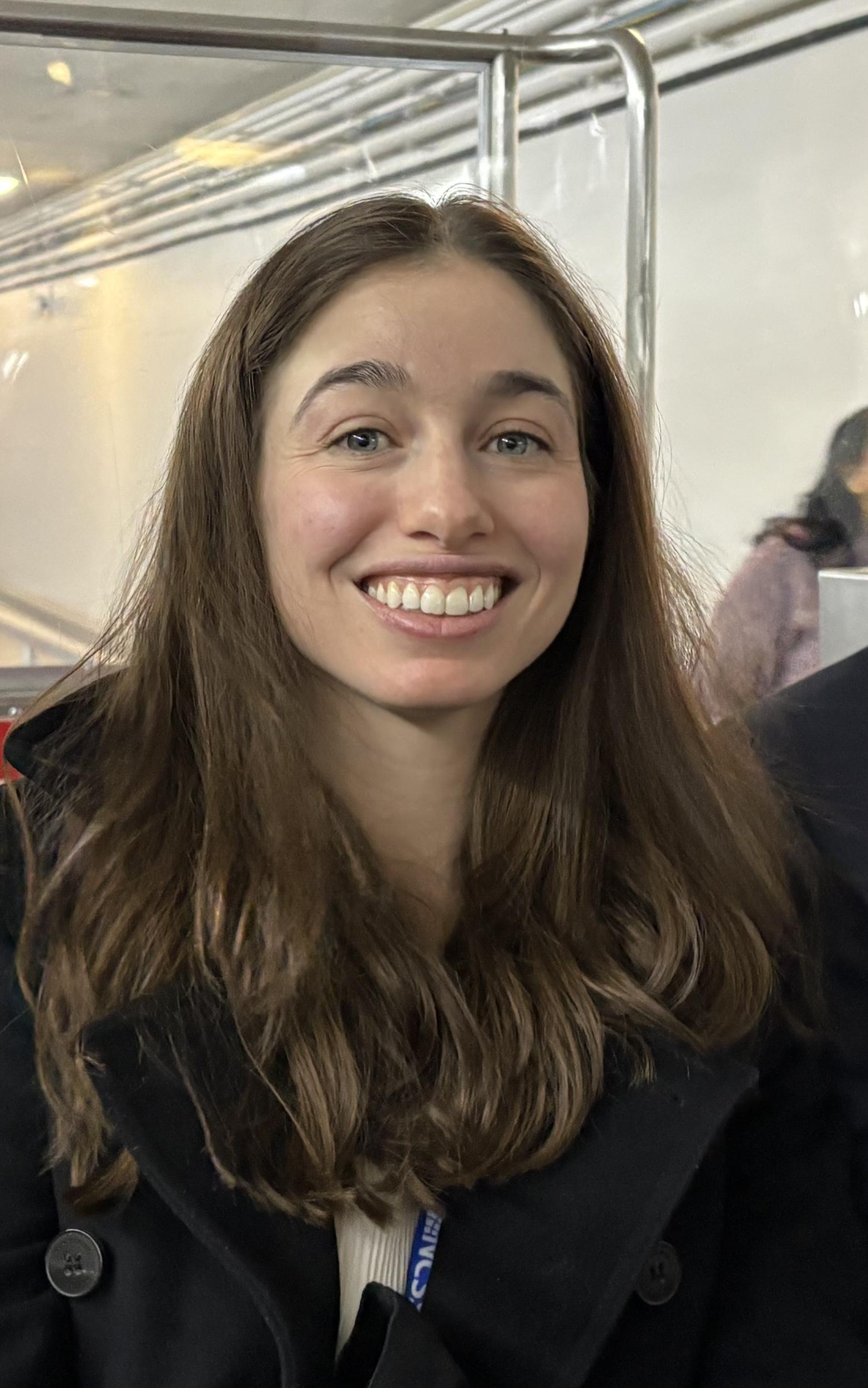
Overall, how would you describe your experience at the 2026 conference?
My experience at the conference was one that felt supportive, informative, and a very meaningful use of just two days. The workshops provided great tools and created open spaces for dialogue. The speakers helped set to review and add important information, in the current state of affairs and in advocacy and general concerns. The breaks were fun and social. I also appreciate how the timing, registration, etc. broke down the barriers that can keep many educators from being able to attend. It was welcoming, warm, and deeply intellectual.
What insight or idea from the conference has stayed with you the most?
The idea that has stayed with me the most has been just how much of the modern era has shaped and been shaped by the presence, negotiations, and work around nuclear weapons. They are managed by US and threat management has in it our own human flaws and tendencies; how this problem was both made by humans and continues to be a very human issue.
What action do you plan to take/have you taken post-conference to teach about nuclear disarmament and peace in your classroom and/or school?
I am looking to contribute to the coursework at the international school where I teach lessons and discussions around nuclear disarmament as well as the many existential issues we face today that are intertwined with it.
Lori Marenda, Salem High School (2025 & 2026 Participant)
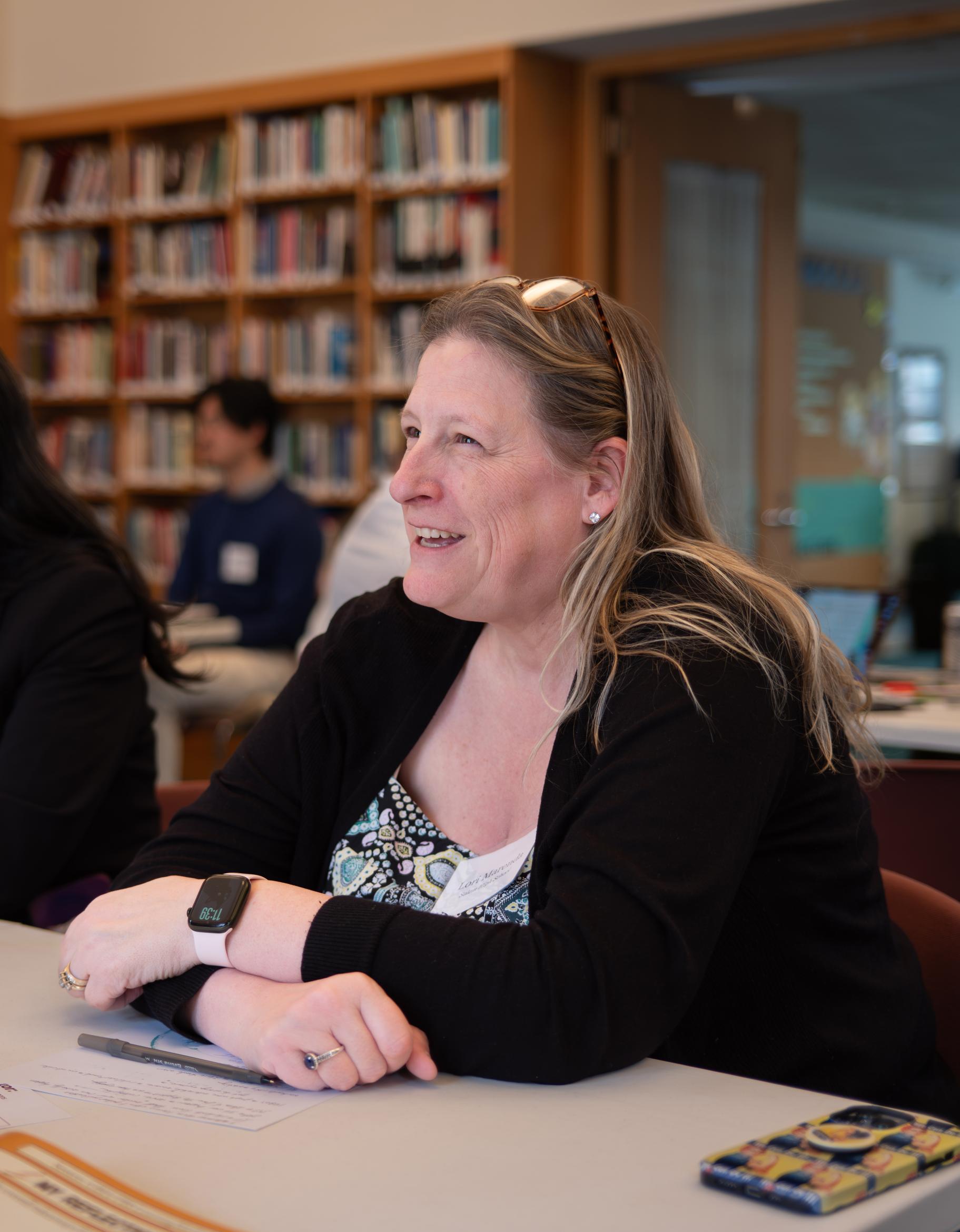
Overall, how would you describe your experience at the 2026 conference?
Having attended the conference the previous year, it is so refreshing to be in a safe space with like minded people around nuclear disarmament and peace education. Engaging with fellow advocates reinforced our collective mission and provided inspiration to advance this critical work. I returned to school with renewed energy, fresh insights, and a strengthened resolve to our collective mission for a peaceful future.
What insight or idea from the conference has stayed with you the most?
There were SO MANY great presentations and share-out moments during the conference. I would say that we, as humans, can make a difference in making the change necessary for a world without nuclear weapons. Take a page from social movements of the past, start small and local. Form connections with like minded individuals to make the change that is necessary. And grow that circle slowly. Humanity is worth it!
What action do you plan to take/have you taken post-conference to teach about nuclear disarmament and peace in your classroom and/or school?
My goal is to start a Teachers against nuclear disarmament “club” after school. I have a meeting with my principal in June to discuss starting this club for next school year.
...peace education is not only about understanding global challenges, but also about helping young people see that their voices and actions can matter.
Adam Leff, Gould Academy